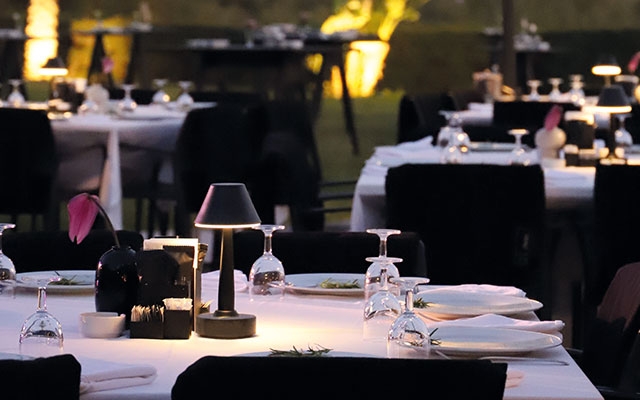

The Konyaaltı Seafront Place
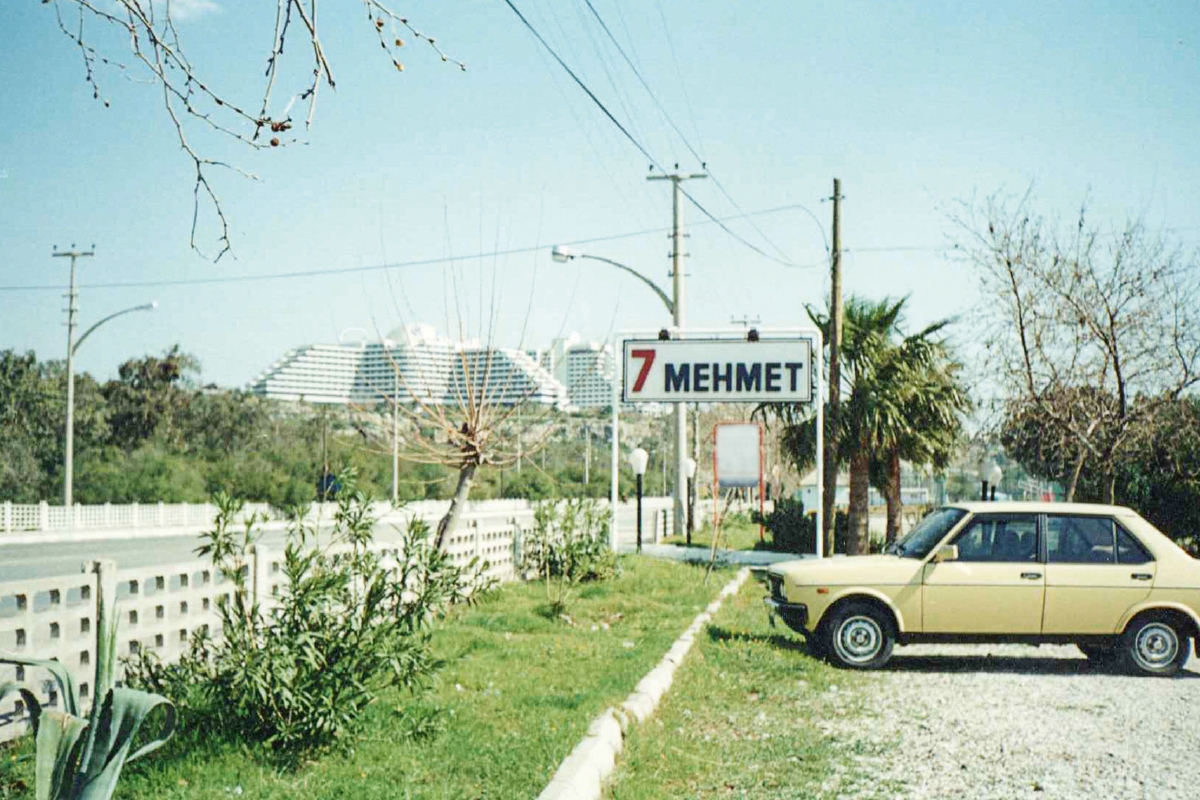
As 7 Mehmet Restaurant was a municipal tenant, the difficulties previously experienced during its relocation from the old fish market to the first floor of the Yayla Palas Hotel resurfaced once again—this time with Yayla Palas itself facing demolition. As an alternative, the municipality offered 7 Mehmet a place on Konyaaltı Beach known as Orta Gazino, a site that functioned as a public beach during the day and a cabaret at night, and could best be described as little more than a makeshift structure. From 1979 to 1997, this place became a regular dining stop for both the people of Antalya and the growing number of tourist groups visiting the city. “Grandfather” Mehmet Akdağ passed away in 1988, while this place was still in operation. Hakkı Akdağ spent his formative master years here. “Grandson” Mehmet Akdağ began his apprenticeship under his father at this very place. Mehmet recounts what he heard from his father and what he experienced himself:
“As we transformed this place from a shack into a restaurant, we gained certain advantages. People came, took a look, and realized there was also a beach—perfect! My grandfather actually knew the beach business well; during the Yayla Palas years, he had also operated Mermerli Beach near the Kaleiçi harbor for a period of time. When they saw the beach advantage here, combined with the sense of trust the name 7 Mehmet Restaurant inspired, my grandfather and father decided to open a beach alongside this place. During the day, locals would come here with their families to swim. There was the beach, there was security, and the restaurant was right by the shore—truly an ideal setting to spend the entire day. I emphasize security in particular, because in the 1980s my grandfather did not allow unaccompanied men onto the beach. This is how the concept of a ‘family place’ took root. Our move to Konyaaltı also benefited the products we served. At Yayla Palas, of course, fish was on the menu and was brought fresh from the Kaleiçi harbor. But after moving to Konyaaltı, the fish became even fresher. Fishermen who caught their fish along the Kemer side of the Konyaaltı coast would dock directly at the beach instead of going to the harbor, show their catch to my grandfather, and he would select what he liked, pay them on the spot, and carry on trade far more efficiently. Another advantage of the seaside place was the expansion of the menu. As my father became increasingly productive, and as a seaside operation that functioned as a beach by day and a restaurant by night required a greater variety of mezze, many starters, cold appetizers, and seafood dishes were added to the menu.”
At the same time, with the seaside place, the name 7 Mehmet Restaurant began to be known throughout Türkiye, gaining regular guests from different cities. Few people realize that seafood restaurants in Istanbul were compelled to start serving grouper fish because of us. The story goes like this: during holidays or long weekends, visitors coming from Istanbul to Antalya would be served the fish we call grida, known elsewhere as grouper. Upon returning to Istanbul, they would begin asking their fishmongers for grida. Friends of my grandfather and father who operated seafood restaurants in Istanbul started calling us for information about the fish and sourcing it from fishermen in Antalya. In this way, seafood restaurants in Istanbul became acquainted with grouper. One thing I remember very clearly is that the energy of that place—and its clientele—was entirely different. We were selling fish in quantities and sizes that no longer exist today. Just imagine: in the 1990s, we were selling 100 kilos of fish per day. Even I remember this. We would go to the fish market with my father; he wouldn’t look at the number of fish on the counter but rather at the length of the stall. I recall a fish counter stretching nearly 20 meters, and my father saying, “Take all of it!” This also confirms our transformation. 7 Mehmet began as a place serving stewed dishes. With the Yayla Palas location, grills were added. With the seaside place came cold starters, mezze, and seafood. There is also this story, often told about the Yayla Palas days, that has always intrigued me: there was no cold storage, no resting or aging meat in refrigerators. Depending on the orders of the day, animals would be slaughtered downstairs and served fresh the same day. Therefore, when we moved to the former Orta Gazino on Konyaaltı Beach and intensified seafood and fish service, we fully evolved into a true restaurant.”